
As published on Tree Canada’s blog, December 10, 2025.
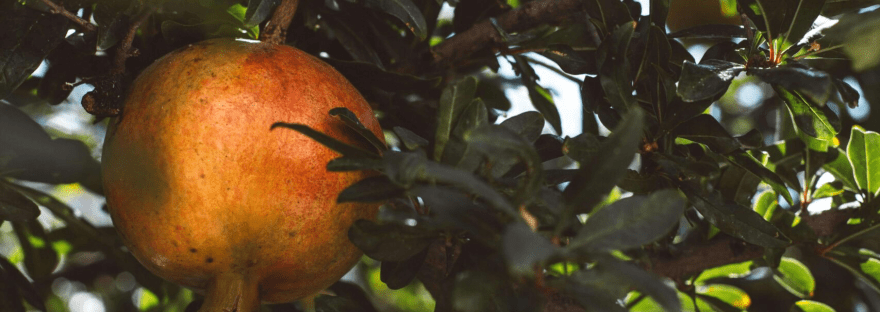
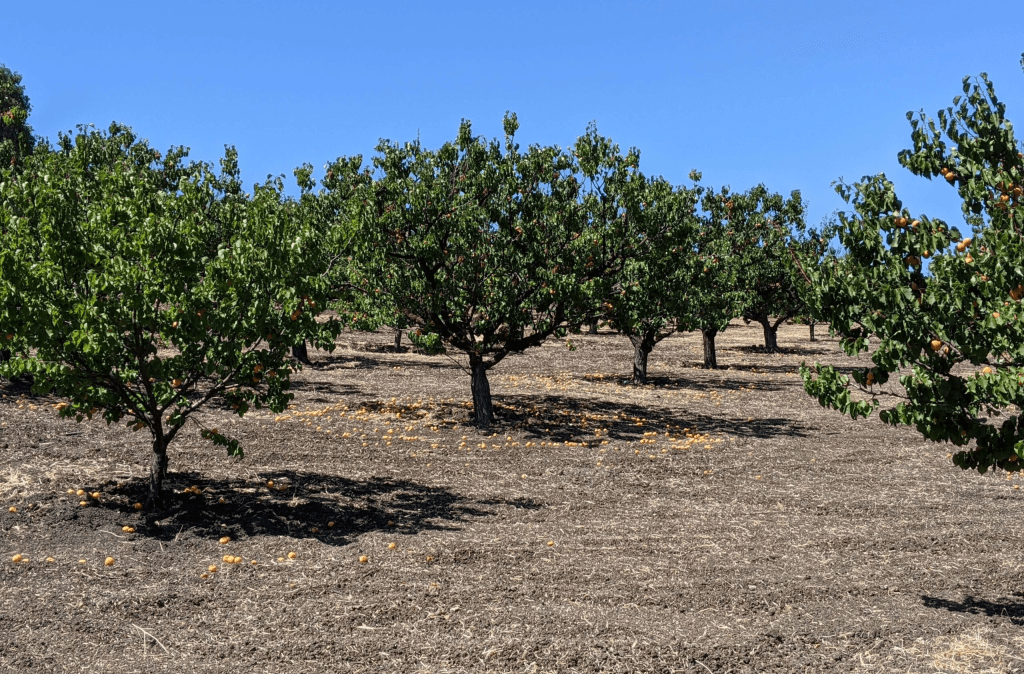
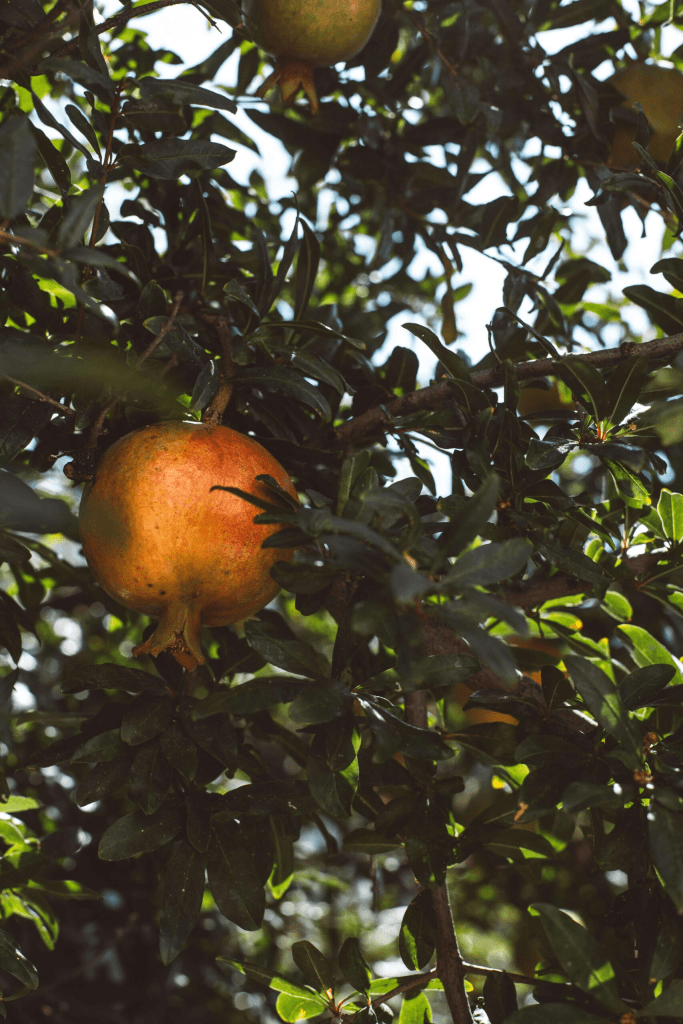
As we head into the holiday season, I find myself returning, as I often do, to the quiet, resolute presence of trees as sentinels in our lives. Growing up Armenian in Canada, I was raised with a deep sense of ancestry and attachment to the land, that, even as part of a diasporic community, I have worked to actively cultivate and carry forward the relationships to place that displacement can scatter. For Armenians, the apricot tree is a cultural emblem tied to homeland and history. Similarly, the pomegranate tree, with its hundreds of seeds, symbolizes abundance, continuity, and the strong bonds of family. These early connections shaped my fascination with how cultures around the world embrace trees during moments of nostalgia, celebration and renewal.
Canada is comprised of people and communities from countless traditions, and our holiday tree customs reflect that diversity. Consider just a few examples that illustrate how universal this reverence is:
- Indigenous nations across Canada burn or place cedar boughs for winter cleansing, protection, and ancestral connection.
- In Japan, pine branches appear in New Year doorway arrangements to welcome good fortune and the spirits of ancestors.
- Across South Asia, mango leaf garlands (toran) hang during Diwali and other winter festivals to invite prosperity.
- Scandinavian Yule celebrations preceded Christmas, bringing evergreens indoors to mark the return of the sun.
- Celtic traditions turned to holly, which is believed to guard against spirits and keep life’s spark strong through the darkest days.
- In the United States, the first Rockefeller Center tree in 1931 became a symbol of resilience during the Great Depression.
- Along African coasts and islands, the palm tree embodies nourishment, hospitality, and new beginnings.
- In Mexico and Central America, copal resin is burned for purification and blessing.
- Across the Middle East and the Mediterranean, the olive tree represents peace, wisdom, and winter abundance.
- Here in Canada, the Balsam fir emerged as the iconic Christmas tree, first documented in 1781 in Sorel, Quebec.
What I love most about this topic is that every culture sees something sacred and special in trees: strength, hope, life, creativity, continuity. As we deepen our engagement with diverse communities, these shared symbols remind us of our interconnectedness.
This past summer, I had the honour of contributing to an international roundtable hosted by The Nature of Cities, titled The Kinship with Trees and Forests, curated by Italian artist Margherita Muriti. I shared my poem, “Branches of Belonging,” as part of a global conversation on our reciprocal relationships with forests, and with one another. In the spirit of connection and reflection, I offer the poem here, as a tribute to the stalwart presence of trees that continues to inspire us during the holiday season and beyond.
Happy Holidays.

 Adrina C. Bardekjian, MFC, PhD